

















Testosterone Replacement Therapy

Premium Private Testosterone Assessment & Replacement Therapy Service at Neils Pharmacy
Prescriber-led TRT assessment, venous blood testing and testosterone replacement therapy monitoring in Prescot, Merseyside, Liverpool, Huyton, St Helens and Warrington.
At Neils Pharmacy, we offer a premium private testosterone assessment and testosterone replacement therapy service for adult men concerned about symptoms that may be linked to low testosterone.
This is a private, prescriber-led clinical pathway for men who want a comprehensive approach to testosterone assessment and TRT monitoring. We use staged assessment, full patient history taking and screening, venous blood testing rather than finger-prick-only testing, prostate and other safety marker checks, GP communication and ongoing monitoring before and during treatment.
This is not a quick online testosterone supply service. It is a structured, guidance-informed clinical service with a safety-first approach. Treatment is only considered where symptoms, blood results, safety checks and clinical suitability support it. Not every patient who attends will be suitable for TRT. Where symptoms, results or safety markers suggest that treatment is not appropriate, we will explain the reason and advise whether GP or specialist review may be needed.
Private TRT Assessment in Prescot
Our testosterone replacement therapy service is based at Neils Pharmacy in Prescot and is suitable for patients from nearby areas including Liverpool, Huyton, St Helens, Warrington, Knowsley and the surrounding Merseyside area.
The service is designed for patients who want a more thorough, safety-first pathway rather than a simple one-off testosterone blood test or a quick online TRT subscription.
Why Choose Neils Pharmacy for TRT Assessment?
Private, prescriber-led clinical service
Face-to-face assessment in a pharmacy consultation room
Venous blood testing rather than finger-prick-only testing
Structured staged pathway before treatment is considered
GP communication built into the service
Ongoing monitoring and safety checks where treatment is started
Treatment supplied only where clinically appropriate
Who Is This Service For?
The service pathway is intended for adult men aged 35–65 years who have symptoms that may suggest testosterone deficiency and are willing to undergo appropriate assessment, blood testing and follow-up monitoring.
This service may be suitable for men who are concerned about changes in energy, sexual function, mood, sleep, body composition or general wellbeing.
It is also suitable for men who want a structured, face-to-face clinical assessment rather than a simple online testosterone test.
Patients must be willing for relevant information to be shared with their GP as part of the service.
Symptoms That May Be Considered
Low testosterone can cause a range of symptoms, but many of these symptoms can also be caused by other conditions. Stress, anxiety, depression, poor sleep, sleep apnoea, thyroid problems, diabetes, obesity, medication side effects and other health issues can all produce similar symptoms.
Sexual symptoms
Some men notice a change in libido, erections or sexual performance. These symptoms are assessed carefully, as they may have hormonal, vascular, psychological, medication-related or metabolic causes.
Physical symptoms
Some men report changes in energy, strength, recovery, weight, sleep, body composition or general physical wellbeing. These symptoms are reviewed alongside wider health markers and blood test results.
Psychological symptoms
Low mood, anxiety, irritability, poor concentration, poor sleep and reduced motivation can overlap with testosterone deficiency, but they may also indicate other health or wellbeing issues that need separate assessment.
How the Service Works
Our TRT service uses a staged pathway. Each stage must support moving to the next stage. Some patients may only need assessment and blood testing, while others may be advised to seek GP or specialist input before TRT can be considered.
Appointment 1 — Initial TRT Assessment: £60
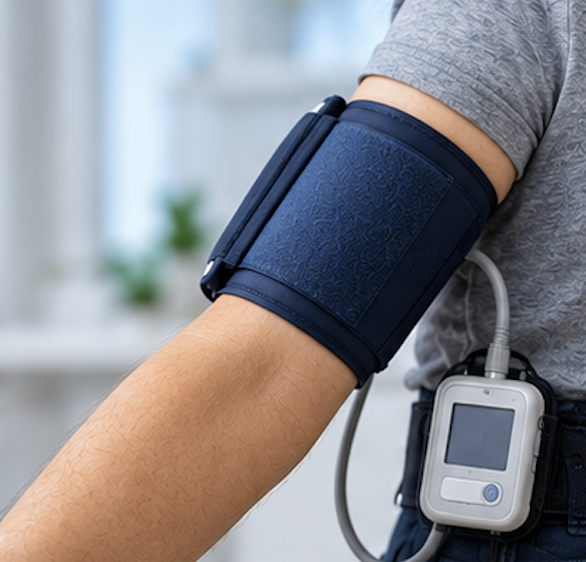
This appointment includes a detailed history, eligibility check, symptom review, medication review, fertility discussion, red-flag assessment, BMI check, blood pressure check and full screening. Testosterone treatment is not supplied at this appointment.
Appointment 2 — Diagnostic Hormone Assessment: £220
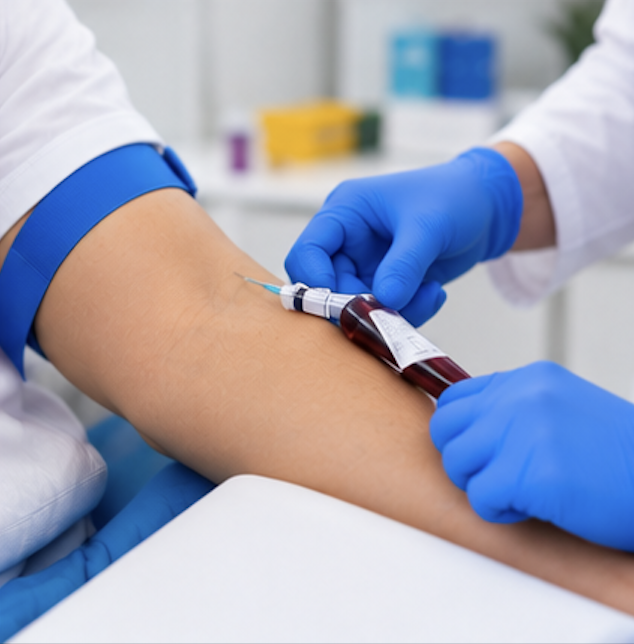
If your first appointment suggests you are eligible for testosterone replacement therapy, you will have a morning diagnostic hormone blood test as part of your second appointment. This is assessed by our clinician for key testosterone-related markers and helps assess whether the picture is suggestive of testosterone deficiency.
Appointment 3 — Comprehensive TRT Safety Assessment: £220
If your initial hormone results are suggestive of possible testosterone deficiency, you may proceed to a comprehensive safety blood panel. This checks wider health and safety markers before any treatment decision is made. The recognised diagnostic approach for testosterone deficiency usually involves two appropriately timed blood tests, at least one month apart, interpreted alongside symptoms and clinical assessment. This appointment forms the second diagnostic blood test and also adds a fuller panel to help assess whether treatment would be safe to use. Potential treatment options are also discussed during this appointment.
Appointment 4 — Treatment Decision, Initiation and First Supply: from £120
If treatment is clinically appropriate, this appointment includes review of all results, treatment counselling, consent, safety-netting, treatment selection, first supply and follow-up planning. The final price depends on the product supplied, dose and monitoring requirements.
Pricing Summary
Appointment 1 — Initial TRT Assessment: £60
Appointment 2 — Diagnostic Hormone Assessment: £220
Appointment 3 — Comprehensive TRT Safety Assessment: £220
Appointment 4 — Treatment Initiation and First Supply: from £120
Follow-up appointments and ongoing supply: from £120
Prices may vary depending on the treatment product supplied, dose, monitoring requirements and whether additional blood tests are required.
Why Blood Testing Is Required
Symptoms alone are not enough to diagnose testosterone deficiency. Testosterone levels can vary depending on time of day, illness, sleep, stress, medication, weight, metabolic health and other factors.
Blood tests help assess whether testosterone is genuinely low.
Hormone markers help assess whether the pattern may be primary, secondary or functional.
Safety bloods help assess whether treatment is appropriate before TRT is considered.
Ongoing monitoring is required if treatment is started.
Clinical Guidance and Safety Standards
Our testosterone assessment pathway is informed by recognised clinical guidance on male testosterone deficiency. Diagnosis and treatment decisions are not based on symptoms alone. They require clinical assessment, appropriately timed blood testing, repeat testing where needed, review of possible underlying causes, safety checks and ongoing monitoring.
The service also includes counselling on treatment risks, fertility, prostate safety, haematocrit monitoring, blood pressure, gel transfer risk and when treatment may need to be paused, stopped or referred for further medical review.
Blood Test Preparation
Some testosterone and prostate-related blood tests require preparation to improve reliability and reduce the chance of misleading results.
Blood tests should usually be taken in the morning, ideally between 7:00am and 11:00am.
You may be asked to fast before your blood test.
You may be asked to avoid ejaculation, vigorous exercise, cycling or weight training before certain tests.
Do not attend for testosterone testing if you are acutely unwell unless advised otherwise.
Who May Not Be Suitable?
This is a clinically cautious service with clear suitability criteria. Some patients may be outside our pathway and may need GP, urology, endocrinology, mental health or specialist review before treatment can be considered.
Possible Treatment Options
If testosterone treatment is clinically appropriate, treatment options may include transdermal testosterone gels or injectable testosterone preparations. The most suitable option depends on symptoms, blood results, safety markers, preference, monitoring requirements and clinician assessment.
Testosterone gels may be easier to adjust and can be stopped quickly if needed.
Injectable testosterone may be suitable for some patients but requires careful monitoring.
Testosterone gels can transfer to others through skin contact, so counselling and safe-use precautions are required.
Expected Benefits and Timelines
Response to treatment varies. The aim of treatment is meaningful symptom improvement, not guaranteed complete resolution of symptoms.
Some symptoms may improve within weeks, while others may take several months. Some symptoms may have causes other than testosterone deficiency and may not fully resolve with TRT.
Ongoing Monitoring
Ongoing monitoring is a mandatory part of the service. Further treatment supply depends on attendance, monitoring results, safety markers and ongoing suitability.
Symptom response and side effects are reviewed.
Testosterone and other blood markers may be repeated.
Blood pressure and cardiovascular risk are monitored.
Treatment may be paused or stopped if safety concerns develop.
Related Services at Neils Pharmacy
Some symptoms linked with low testosterone can overlap with other health conditions. Depending on your assessment, we may also discuss other services that could be relevant to your wider health.
Private Blood Testing and Phlebotomy
Venous blood testing for hormone, vitamin, diabetes, cholesterol, liver, kidney and general health markers.
Weight Loss and Management
A private, prescriber-led service for patients where weight, metabolic health or insulin resistance may be relevant.
Vitamin B12 Wellness Service
A structured service for patients with tiredness, low energy or symptoms that may overlap with vitamin deficiency.
GP Communication
Informing your GP is part of this service. Relevant consultation, treatment and monitoring information will be shared with your GP. If you do not consent to GP information sharing, you will not be able to proceed with treatment through this service.
Important Information
This is a private clinical service. It is not a replacement for urgent medical care, NHS emergency services or an NHS GP consultation. If you have severe, sudden, worsening or worrying symptoms, seek appropriate medical advice.
TRT may not be suitable even if symptoms are present. Patients may be referred to their GP, urology, endocrinology, mental health services or sleep services where appropriate.
Frequently Asked Questions
Can I start testosterone at my first appointment?
No. Treatment is not started at the first appointment. Assessment and blood testing are required first.
Do I need blood tests?
Yes. Blood testing is required. Symptoms alone are not enough to diagnose testosterone deficiency or decide whether treatment is safe.
Will everyone who attends be offered TRT?
No. Some patients will not be suitable. Others may need GP or specialist review before treatment can be considered.
Can TRT affect fertility?
Yes. TRT can reduce sperm production and may affect fertility. It should not be used as contraception.
Can I use the service if I do not want my GP informed?
No. GP information sharing is part of the service. If you do not consent to this, treatment cannot be supplied through this pathway.
Is this an NHS service?
No. This is a private testosterone assessment, monitoring and treatment service.
Do I need to live in Prescot to use the service?
No. The service is based at Neils Pharmacy in Prescot, but patients from Liverpool, Huyton, St Helens, Warrington and nearby areas may also book an appointment.
Book an Appointment
Book your initial private testosterone assessment appointment at Neils Pharmacy in Prescot.
The Pharmacy First service builds on the NHS Community Pharmacist Consultation Service which has run since October 2019. The consultation service enables patients to be referred into community pharmacy for a minor illness or an urgent repeat medicine supply.

Get Neils Pharmacy Mobile app